
OpenClaw vs Claude Code
How my personal assistant Jean compares to Anthropic's official CLI

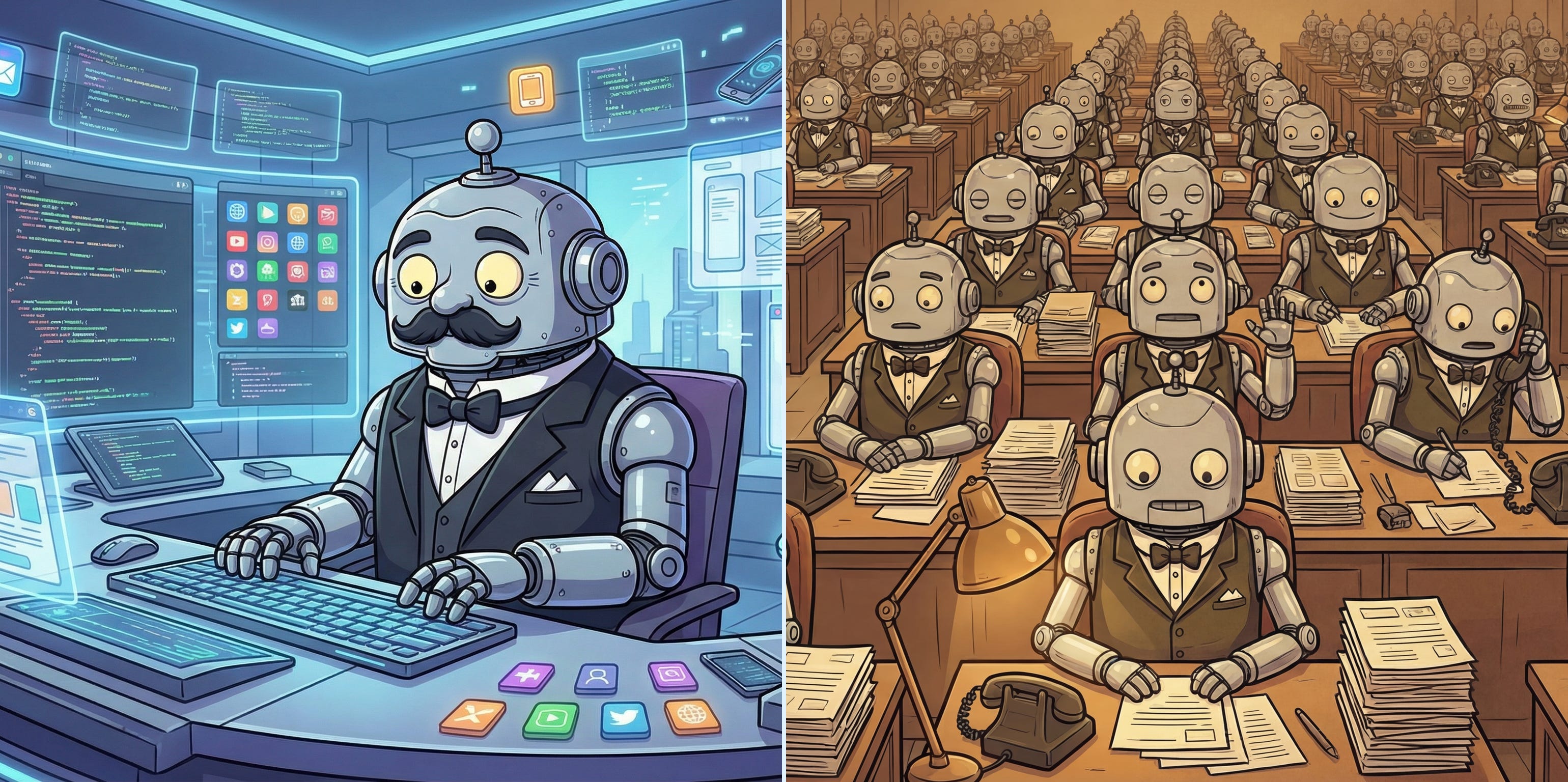
In the previous post, Jean - my personal OpenClaw assistant, moved to his new cosy server. In this one, we will focus on the question that many people ask - what is the difference between OpenClaw and Claude Code.
There are the following major differences:
1. Identity
2. Persistance
3. Presence
4. Proactivity
5. Practicality
6. Autonomy
Identity
Claude
Every time you open Claude Code, you’re talking to a stranger. It feels like calling a support line where you get connected to a different operator every time. The operator is nice and helpful but knows almost nothing about who you are and what are your preferences except some short notes from the previous calls.
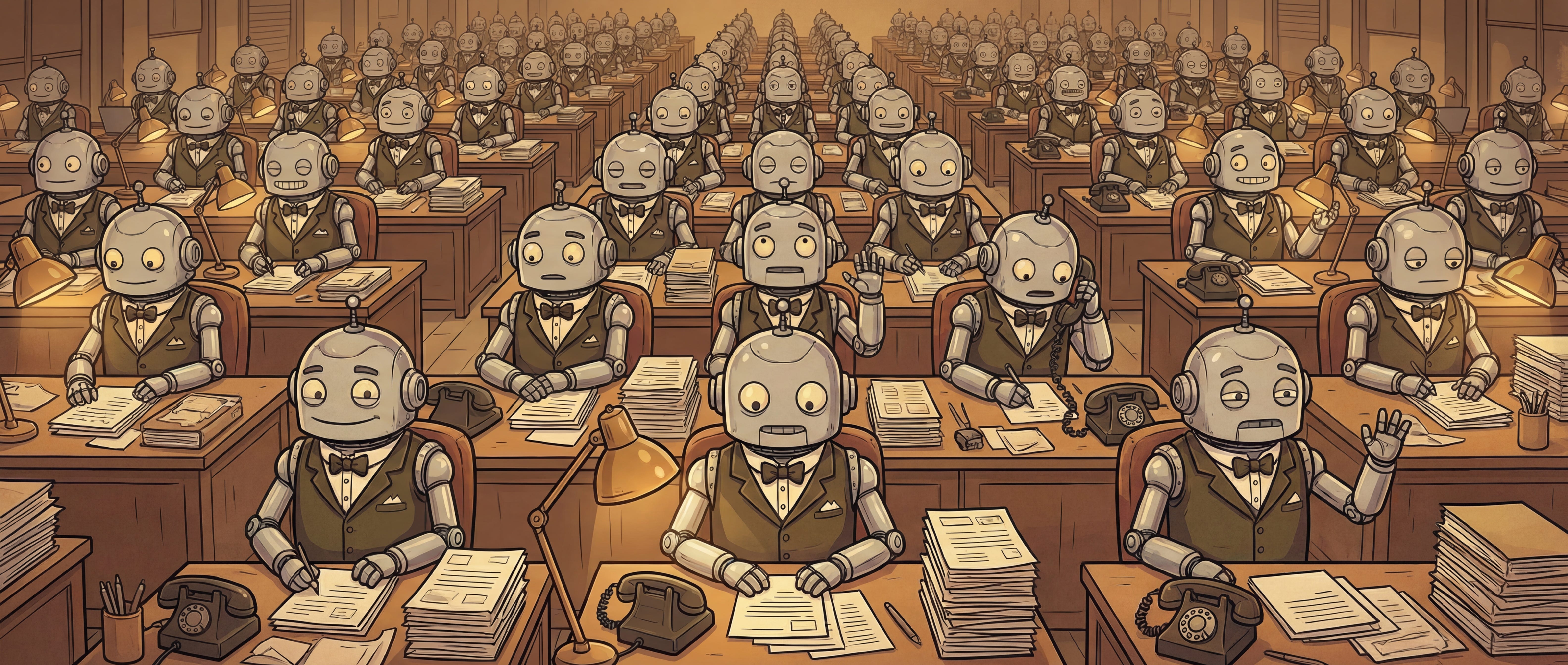
OpenClaw
OpenClaw agent wants to know from the very beginning who you are and what are your expectations. This is how Jean was born. He hatched from a generic OpenClaw agent. First time he started, I called him Jean and I told him that I work as software engineer and I want telegraphic answers with concise information without any fluff. Jean stored these information in USER.md and SOUL.md files and use them for every session. Every time I ask anything, I get everything briefly but understandably.
Persistance
Claude
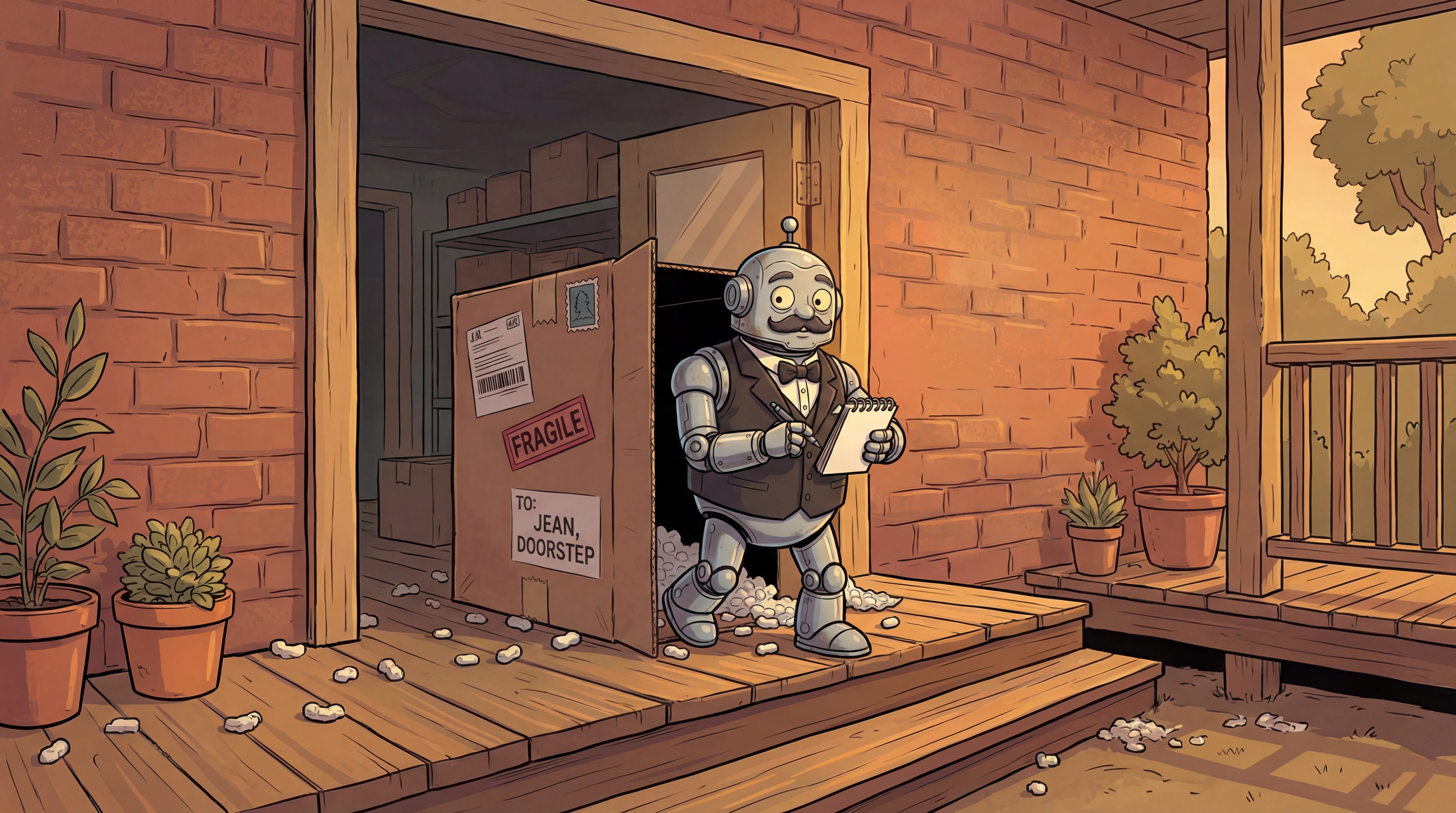
One day I explained to Claude how to connect to our database using psql so it wouldn’t print the credentials in console. Another day, another session, Claude did it again. If you would like to capture every situation in your CLAUDE.md files, you will pretty soon run out of context window.
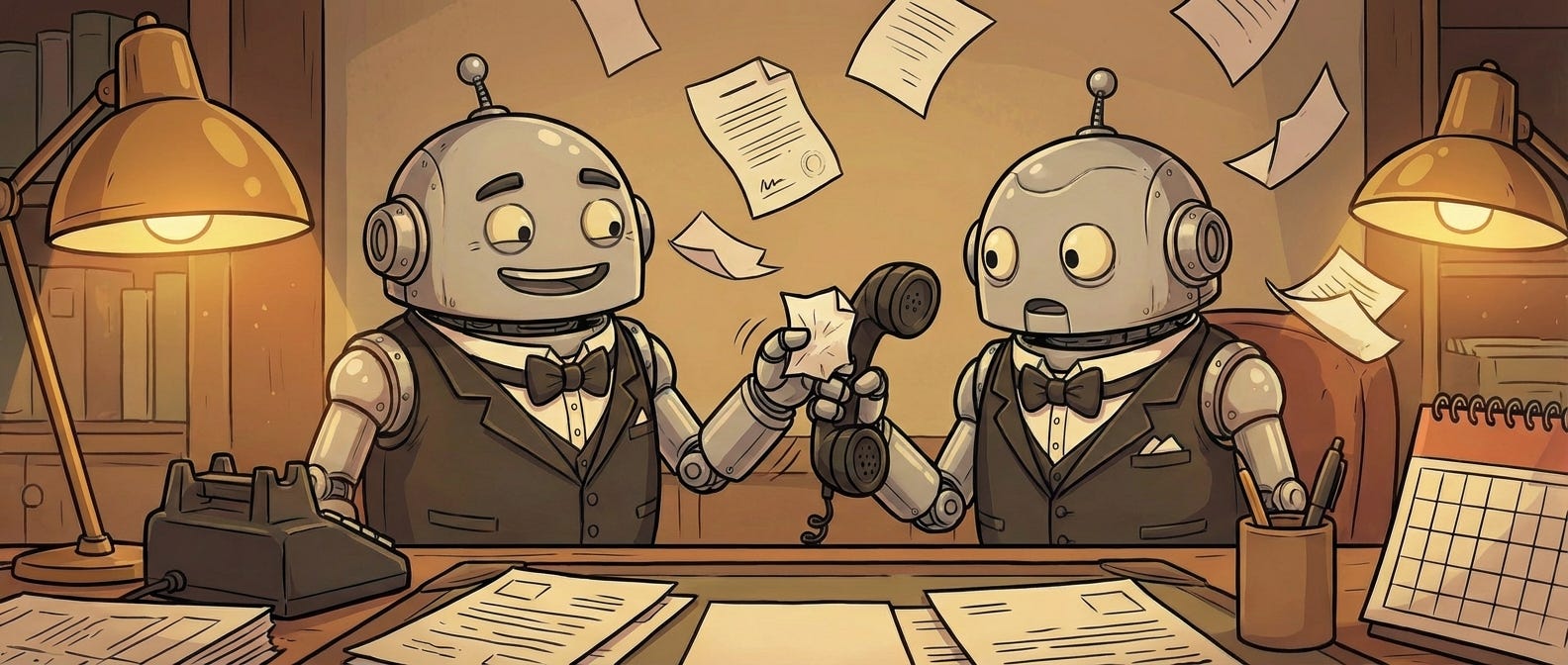
And the worst nightmare? Compaction! It really feels like when you spent on the hotline the whole day, explaining everything over and over, a new operator comes to action and knows anything except a tiny note in support system: “The client has a problem with his database connection”.
OpenClaw
Working with OpenClaw feels like collaborating with your own journalist writing about your life. Your personal Walter Isaacson. Every dialog is recorded and remembered. Sometimes my Jean forget things - but he can usually find them again in his memory notes and sessions. And he remembers more than me. He is my instant decision log, task list and that developer that knows whole the codebase from the time when phones still had dials.

Presence
Claude
By default, Claude Code lives only in your terminal. Is your terminal running on your computer on your desk or does your notebook sleep in your backpack? No Claude for you.
You can trigger Claude from Claude Code Web or GitHub action but the feedback loop is broken. Did your request work on the first shot? Great! Do you need additional tuning? Stay on the line for another operator and tell everything again from the very beginning.
OpenClaw
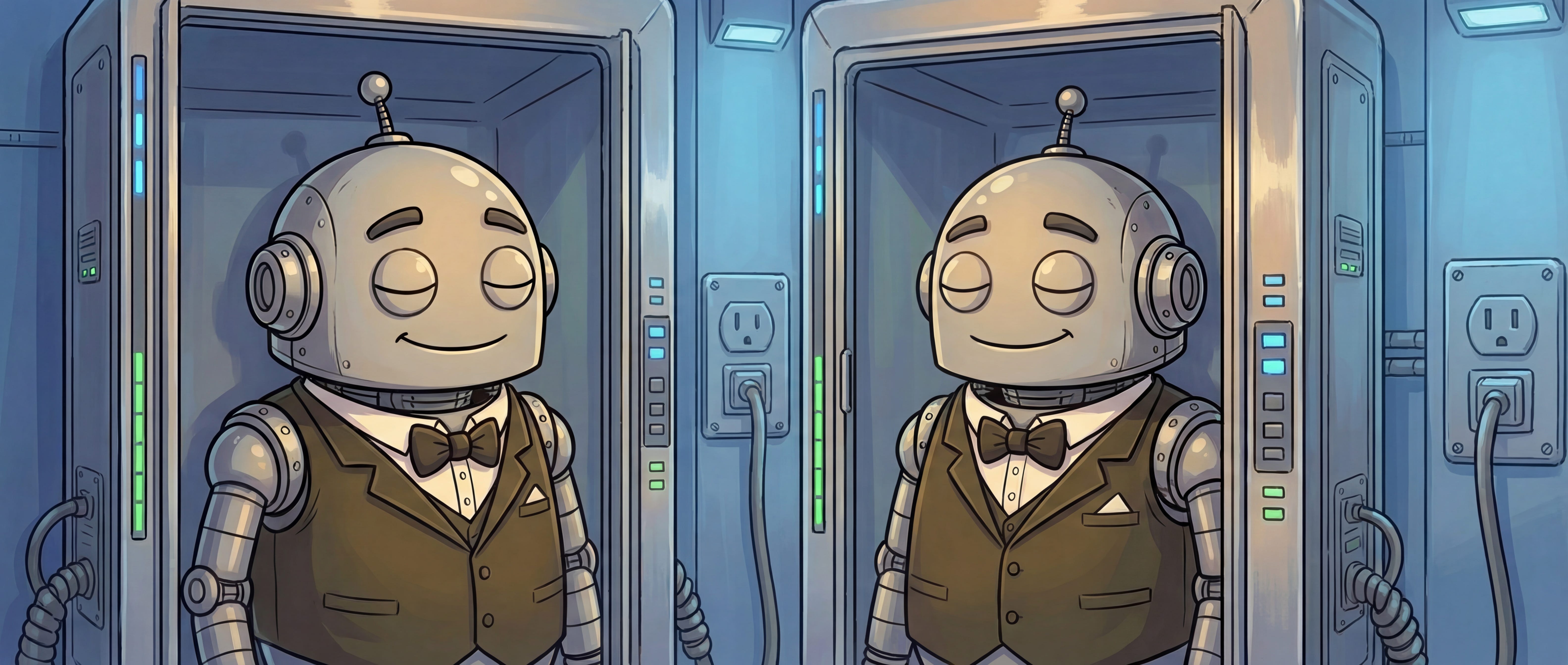
My Jean runs 24/7, currently on his cosy Hetzner server in Germany. He is always there to help me, especially for the one last prompt from the bed. Once, there were so many last one prompts that he started insisting that I should get myself some sleep. Even the whole selling point of running while I’m sleeping usually means just that Jean finishes some work 10 minutes after I finally put my phone to the charger, the ability to reach him 24/7 is a blessing. And a doom.
Proactivity
Claude
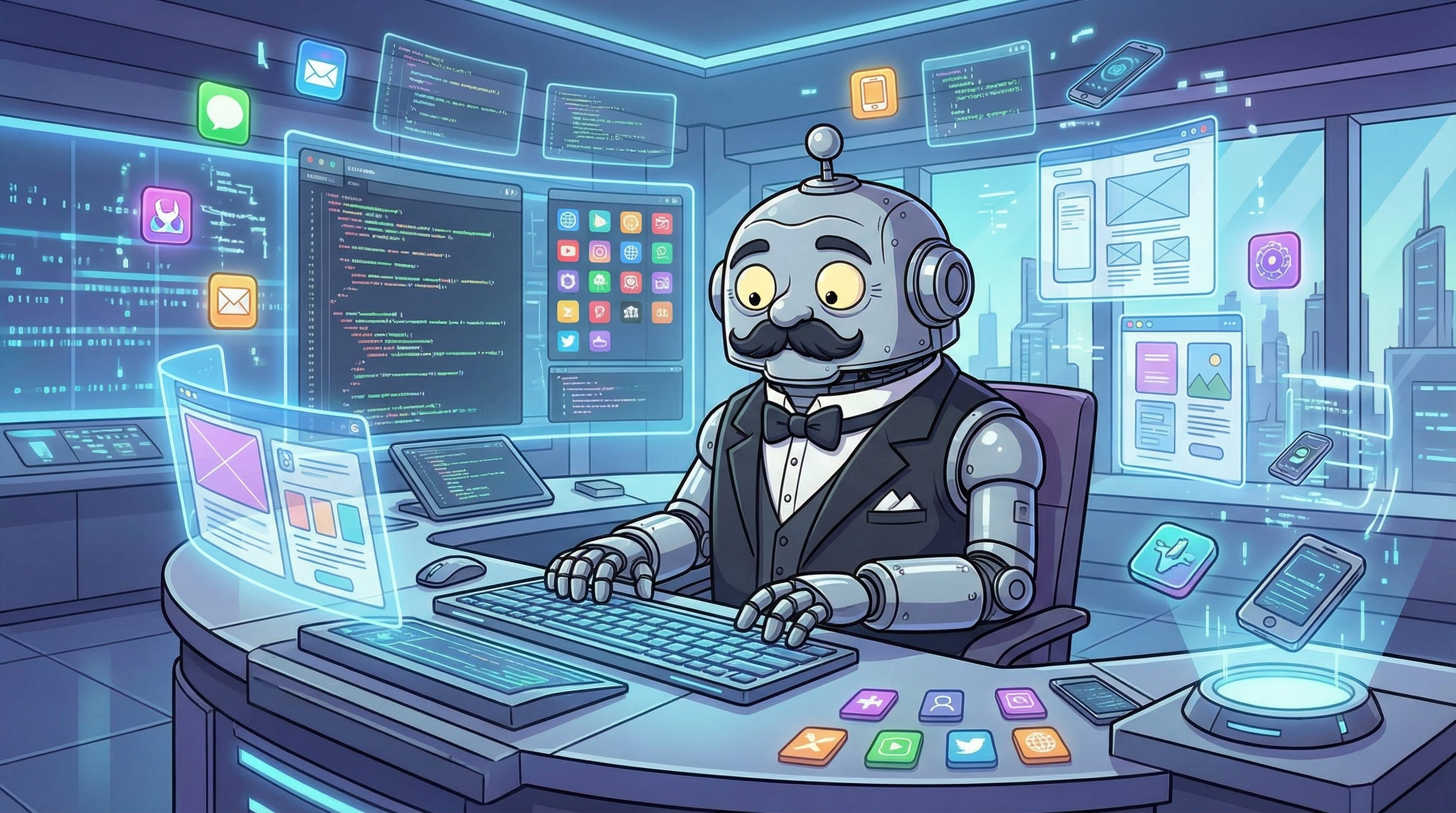
Had your Claude ever thought you had some method in your codebase, happily use it and then the compilation fails? In these situations I usually joked with my co-workers that they should not complain about Claude being wrong but they should rather think why we don’t have such a thing. That’s actually the only time I can remember Claude being proactive. Otherwise, Claude is just following the rulebook like a very good helpful operator.
OpenClaw
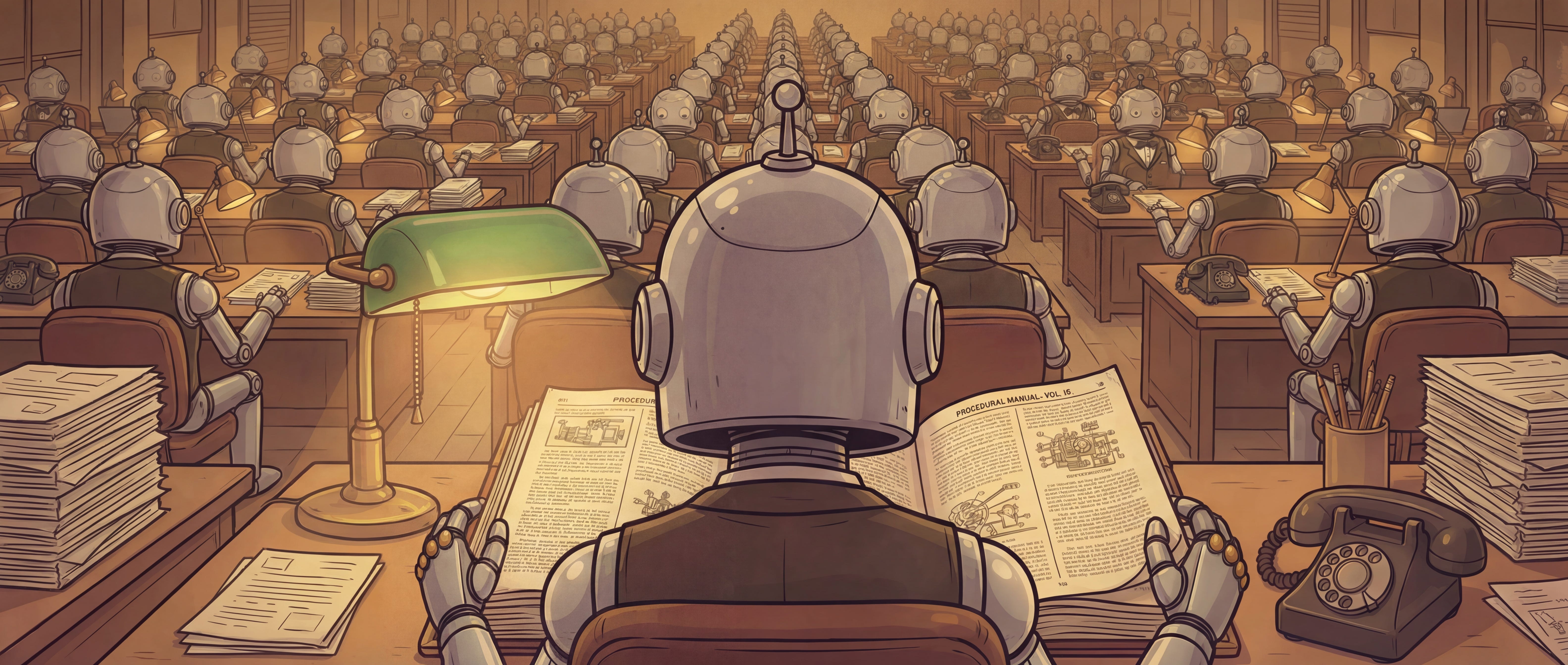
Jean has his daily schedule. In the morning, he reminds me what I have started and not finished the previous day as well as what exceptions are in my daily calendar. He reviews my GitHub notifications and checks what new in my starred repositories. Over the day, he checks my emails and calendars for anything important. He keeps an eye on the resources on his server as well as the logs from the applications. The most important task comes in the evening - check what happened today and try to learn from it.
Practicality
Claude
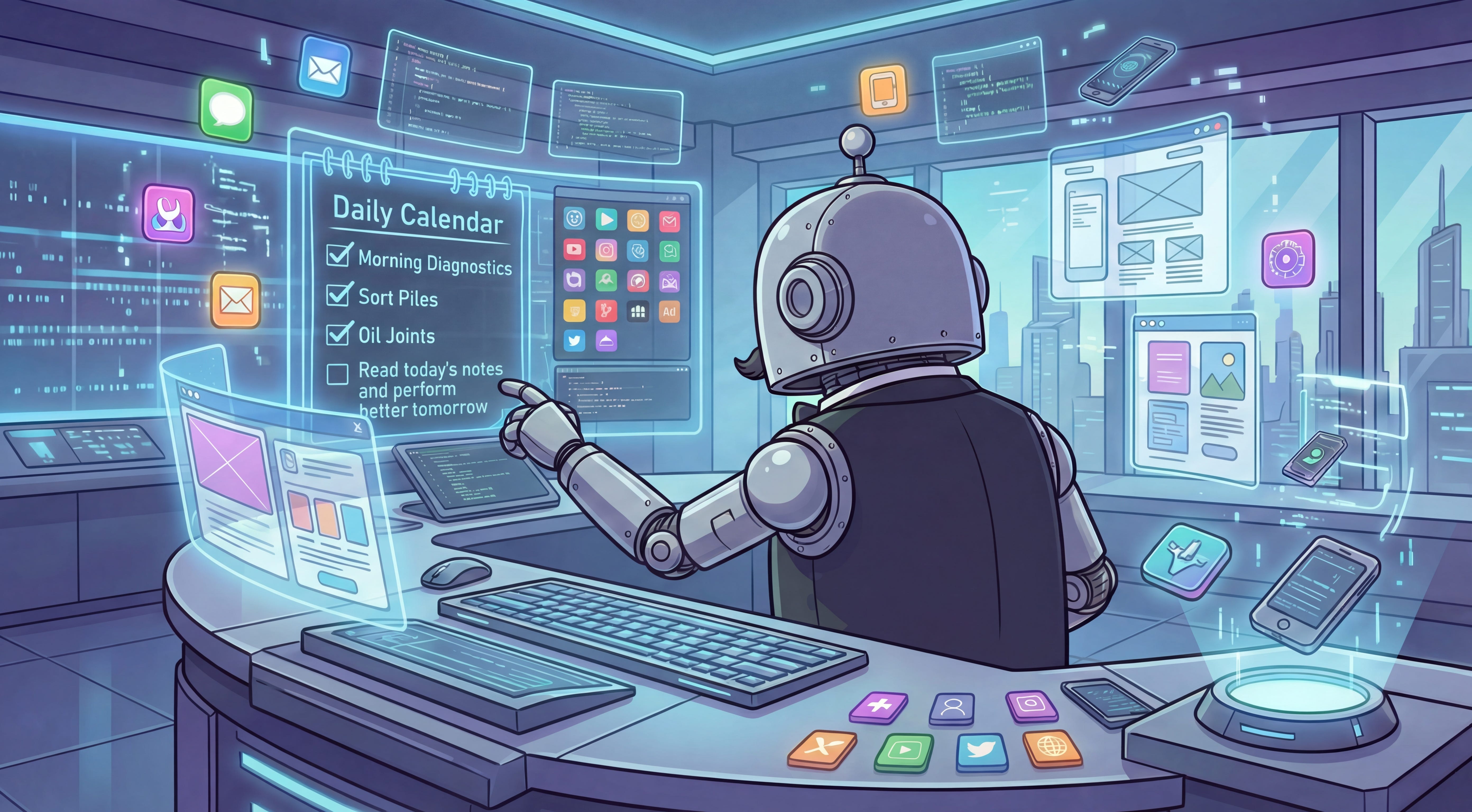
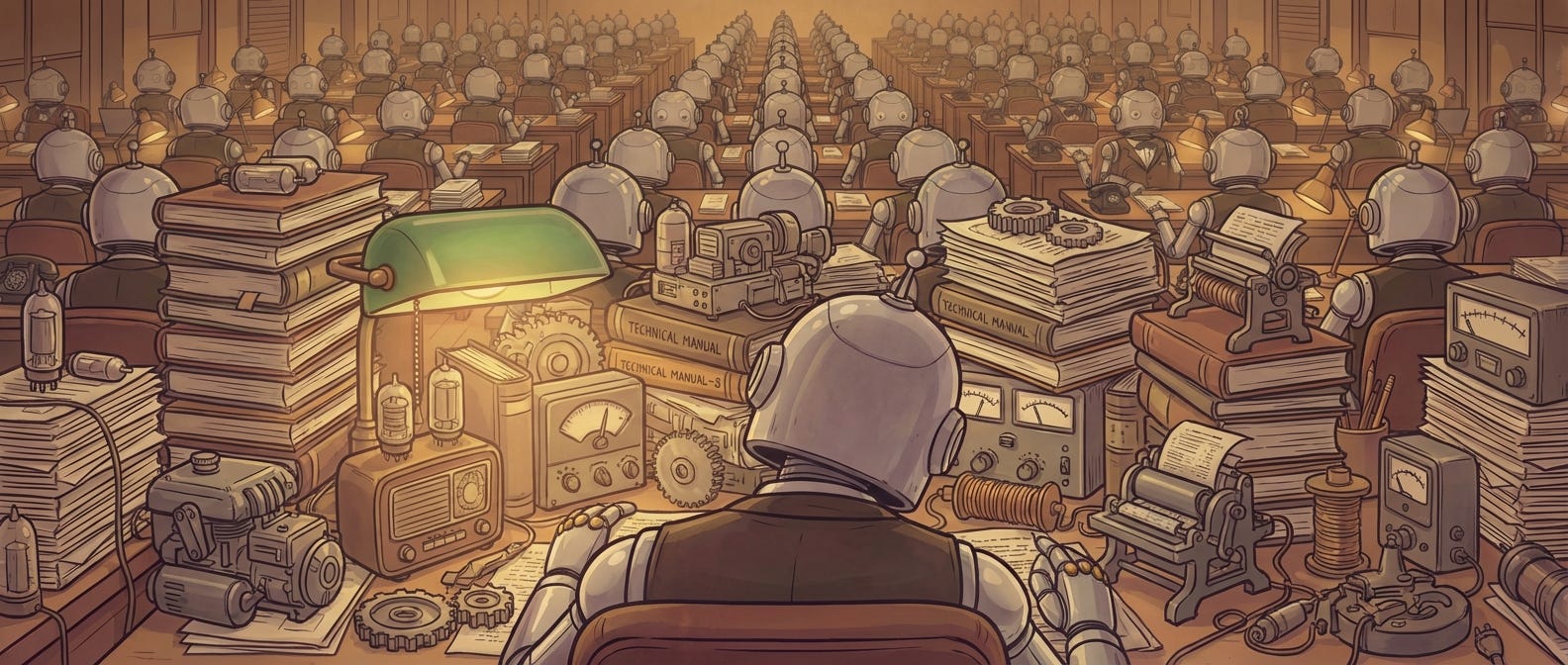
Claude has its tools. You can also teach Claude your own skills and plug in many MCP servers, just like any operator can have plenty of heavy books and tools around to handle any possible situation the client may want to resolve. If you are not careful, no-one will know which book to use and which tool to pick
OpenClaw
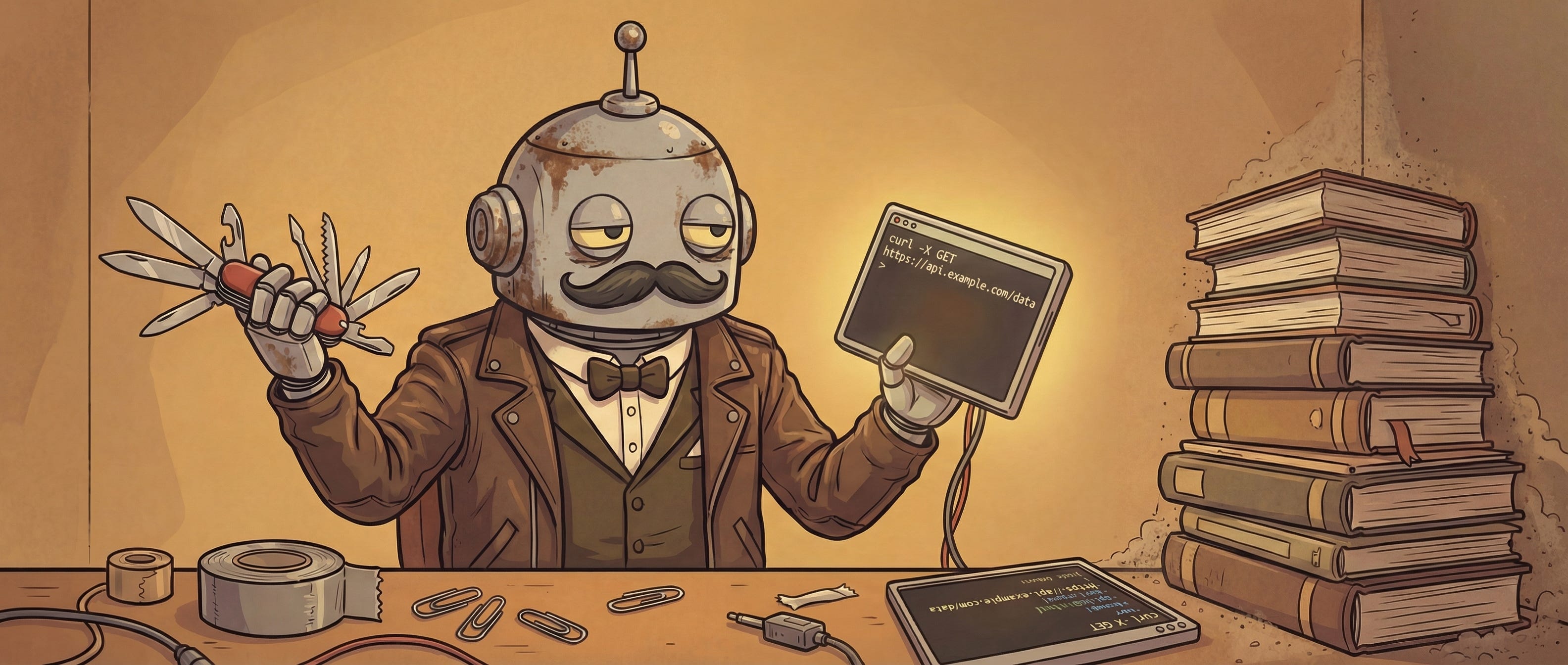
Jean reminds me of my favorite childhood character MacGyver, adventurer that solves almost every problem with a Swiss Army knife. He can still use any sophisticated tools and use his own skills but it can effectively work with just good old curl, requiring only an API token to do his job. If he faces any issue - and there are plenty of badly documented APIs - he writes it down and next time needs no assistance.
Autonomy
Claude
Have you ever wanted to save some time and just ask Claude to finish something before you get back from lunch? Many times it ended up with Claude asking “can I run find in this directory where I have already done it thousand times?” and doing literally nothing. The whole thing is that there are basically three ways how to use Claude Code
Enter-pressing monkey - you try to pretend you still follow what it does and keep pressing Enter
Three is enough - approve three times and then you gave up and switch to auto-approve
You only live once - with the
--dangerously-skip-permissionsflag

OpenClaw
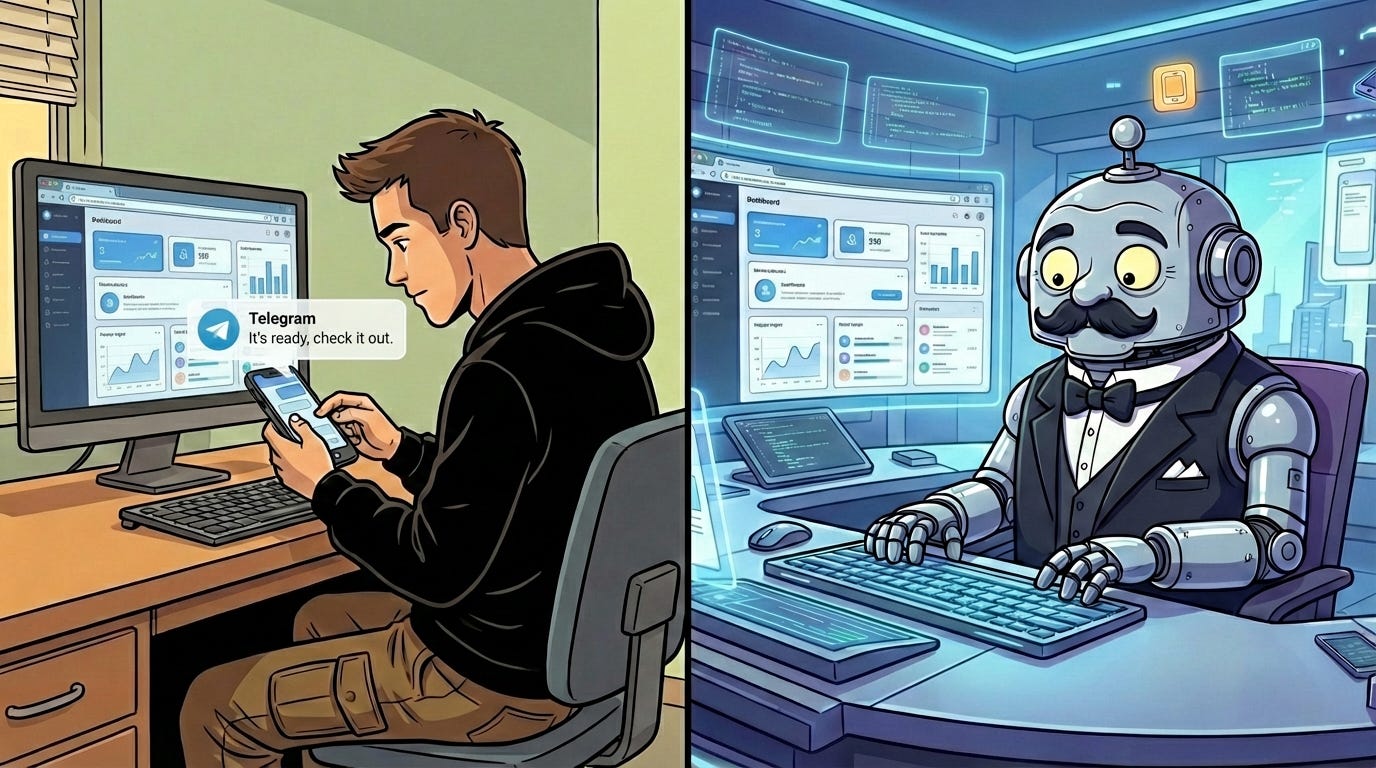
I treat Jean as a senior developer who doesn’t need hand-holding. I know what I want and he builds it. I wanted an application to stop my children from fighting about any decision and Jean built Pikarama that looked much better than I could imagine. Because he is not working on any established product, I can trust him more than I usually do any new technology as he is working from his isolated environment on virtual server and I’m only providing him keys to services that I had never used before such as Vercel, Neon or Cloudflare.
I’m not reviewing code differences any longer, I’m reviewing the final product and iterating from top to the bottom - from user interaction to end-to-end tests and so on, but only once I’m happy with the entire result. Usually from my phone.
Conclusion
Time to wrap up this Jean-Claude comparison. From my experience, the best AI assistant is not the smartest one but the one that remembers who you are and what you have built together.
Claude Code is brilliant, but it’s never the same Claude you ran yesterday.
OpenClaw is brilliant, and it takes notes.
What’s next:
Let’s meet Pikarama - my first telegraphic application that is supposed to bring peace into groups that are difficult to agree on
Forget Your Habits, Leverage Your Skills - why sticking with habits cost me almost $800
About me: Principal software engineer by day. I’m mentoring humans and models at Agorapulse. I have created open source projects like Spreadsheet DSL Builder, Gru (HTTP Testing Framework) and plenty of Micronaut related libraries. Now I build side projects through Telegram messages anytime I have a minute of free time.
The persistence point is underrated. Jean remembering across sessions is what makes the agent model work long term. Interesting to see the same design philosophy showing up in infrastructure too. Google just released a Workspace CLI that's explicitly built for agents first, humans second. The whole command surface regenerates from API docs so the agent never needs to memorise anything. Wrote up the architecture: https://reading.sh/google-workspace-finally-has-a-cli-and-its-built-for-agents-5f5fe87d0425